Dependencies (AI SCA)
Find, triage, and remediate CVEs in third-party code, using your existing scanner or ours.
Trusted by the fastest growing security teams


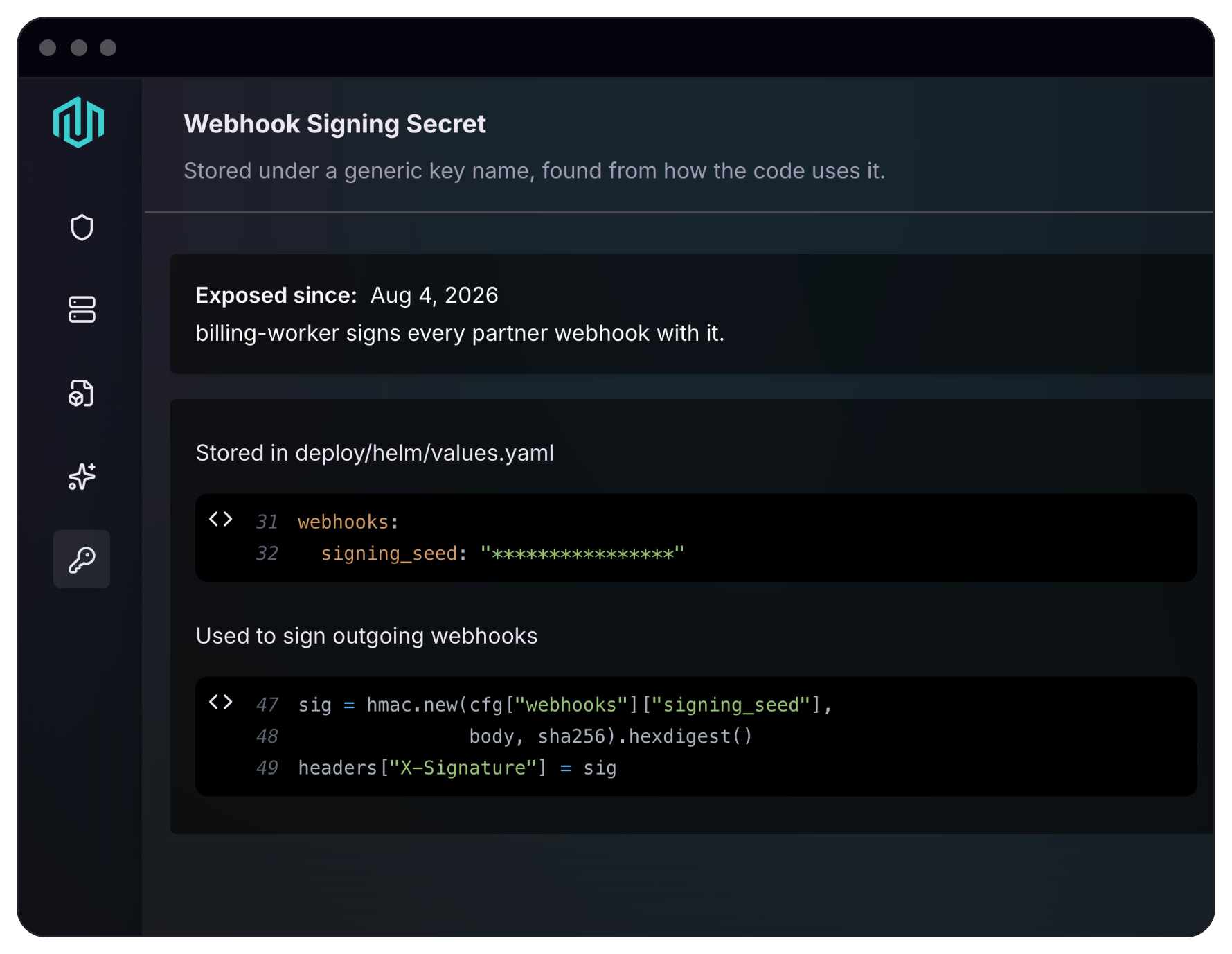
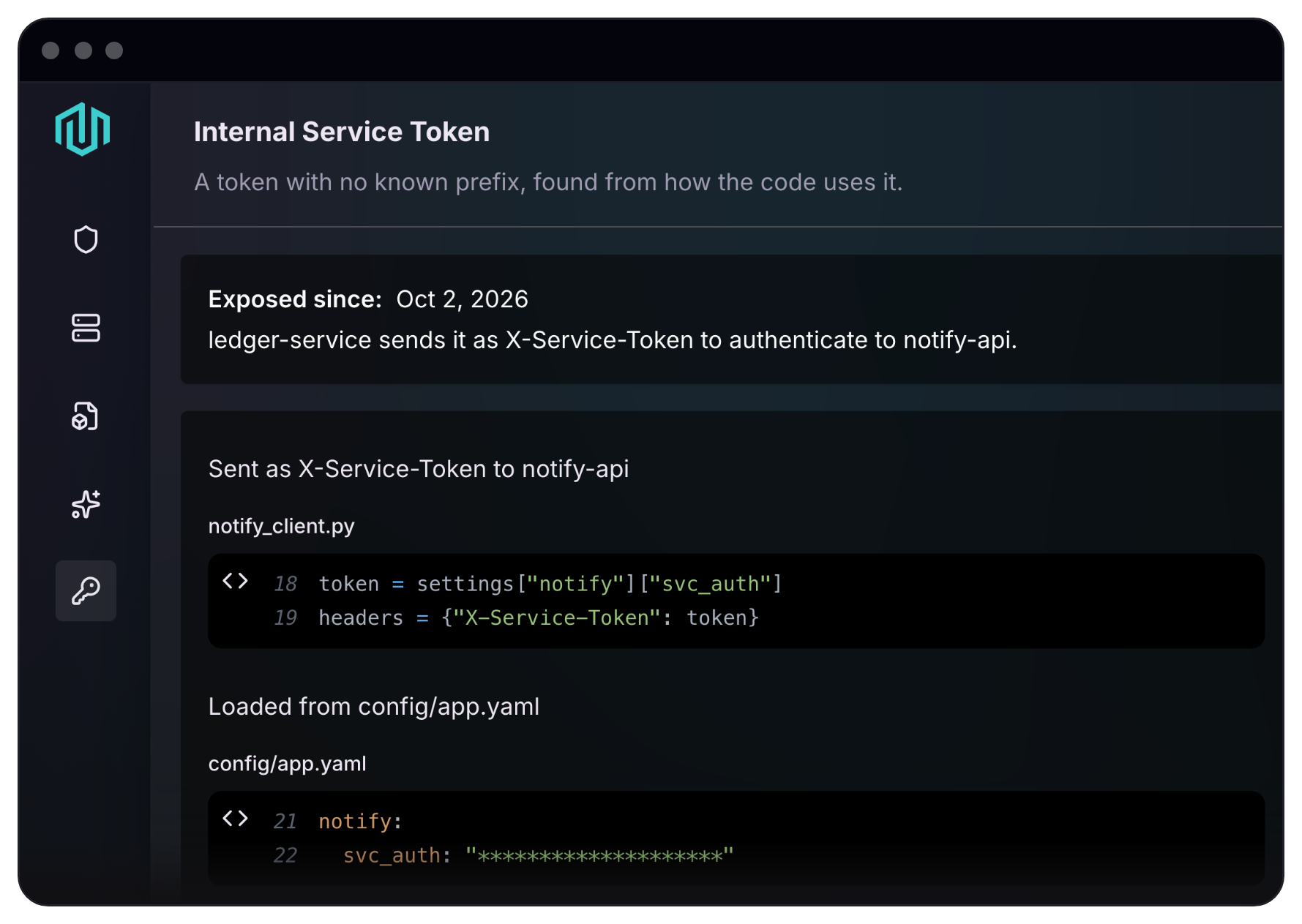
Maze’s agents find the obvious, well-known secrets, plus the passwords and keys you’d only spot if you knew what the code meant.
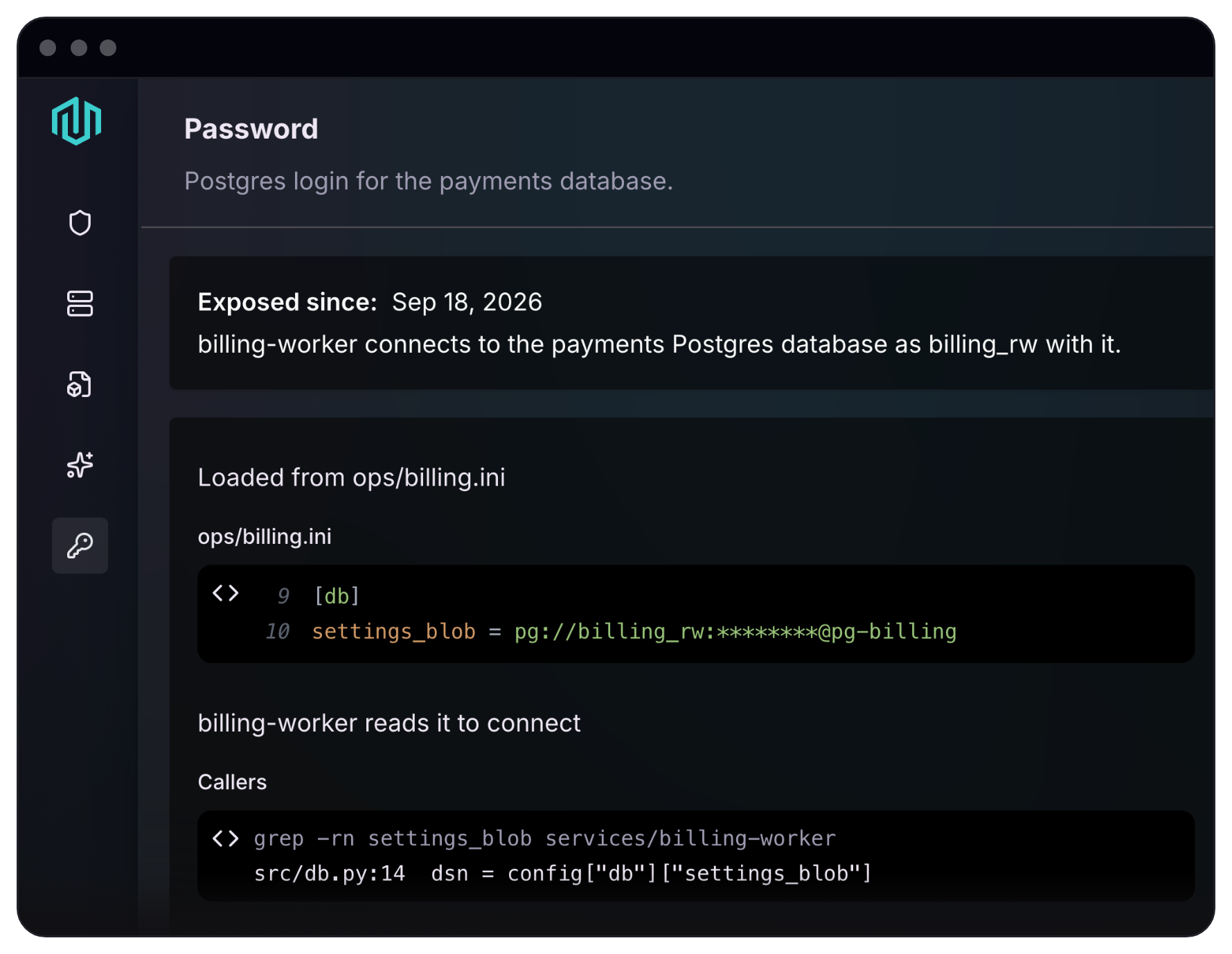
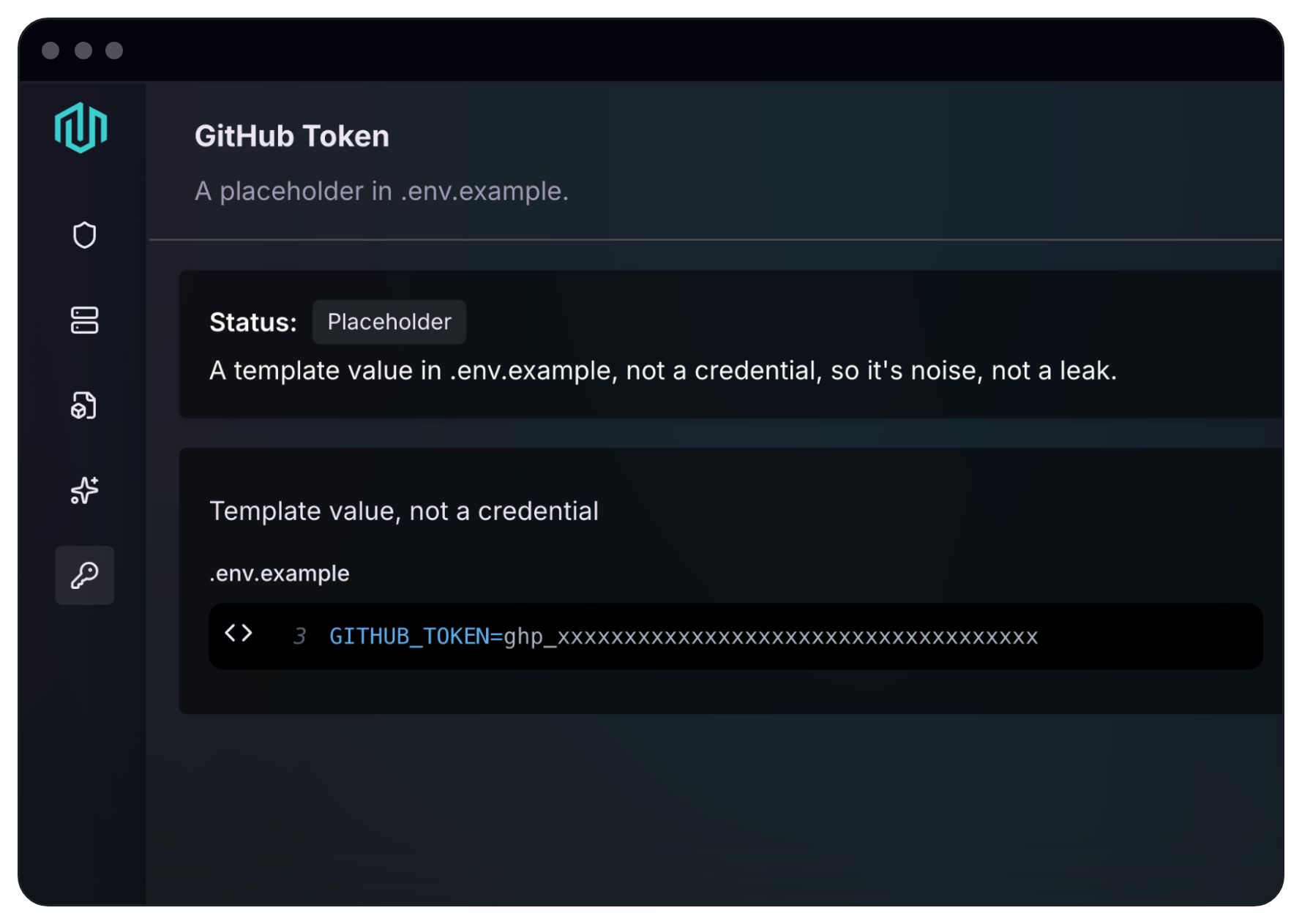
Agents triage every secret to learn what kind of key it is, how it’s used, and whether it’s real or a test value or placeholder.
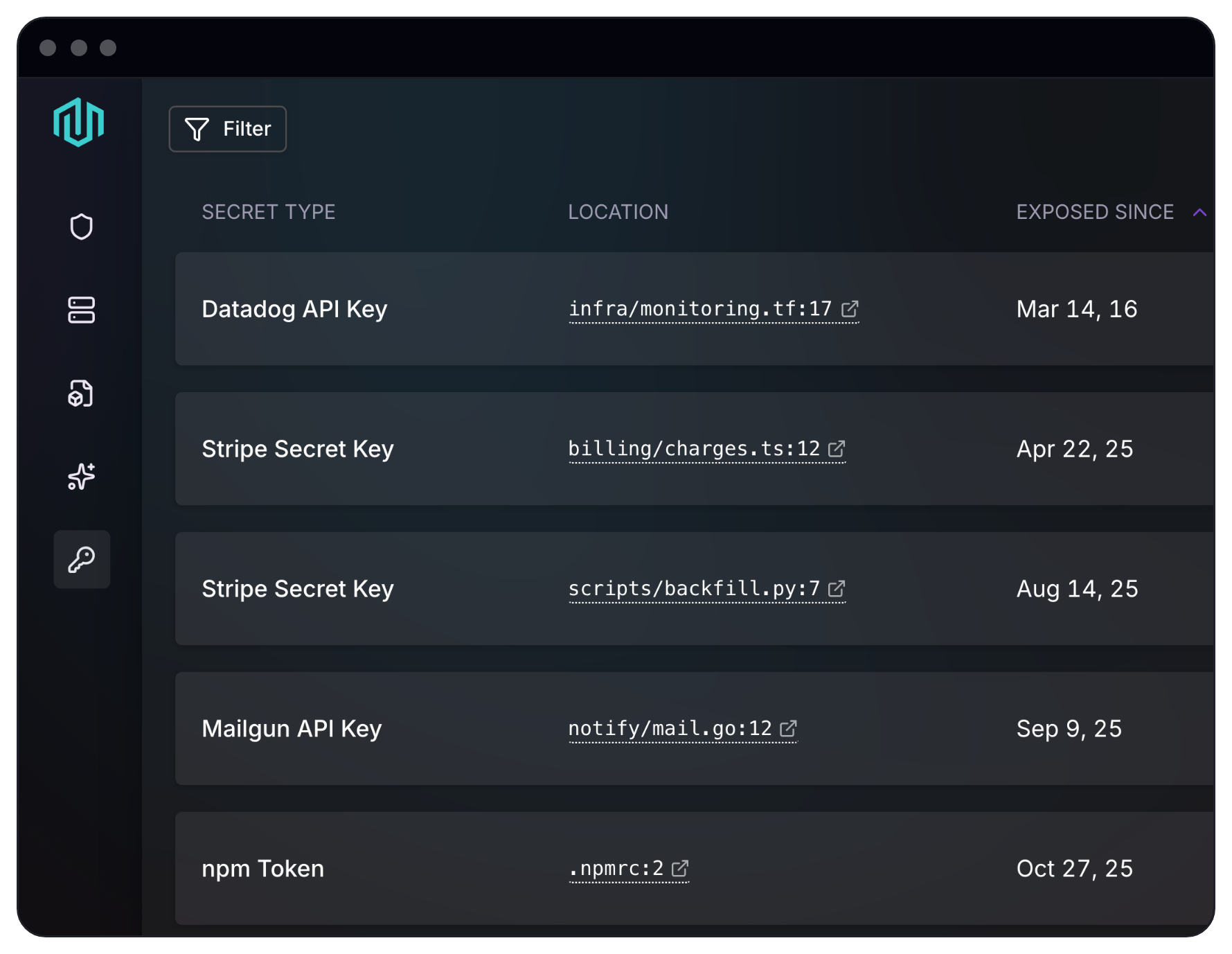
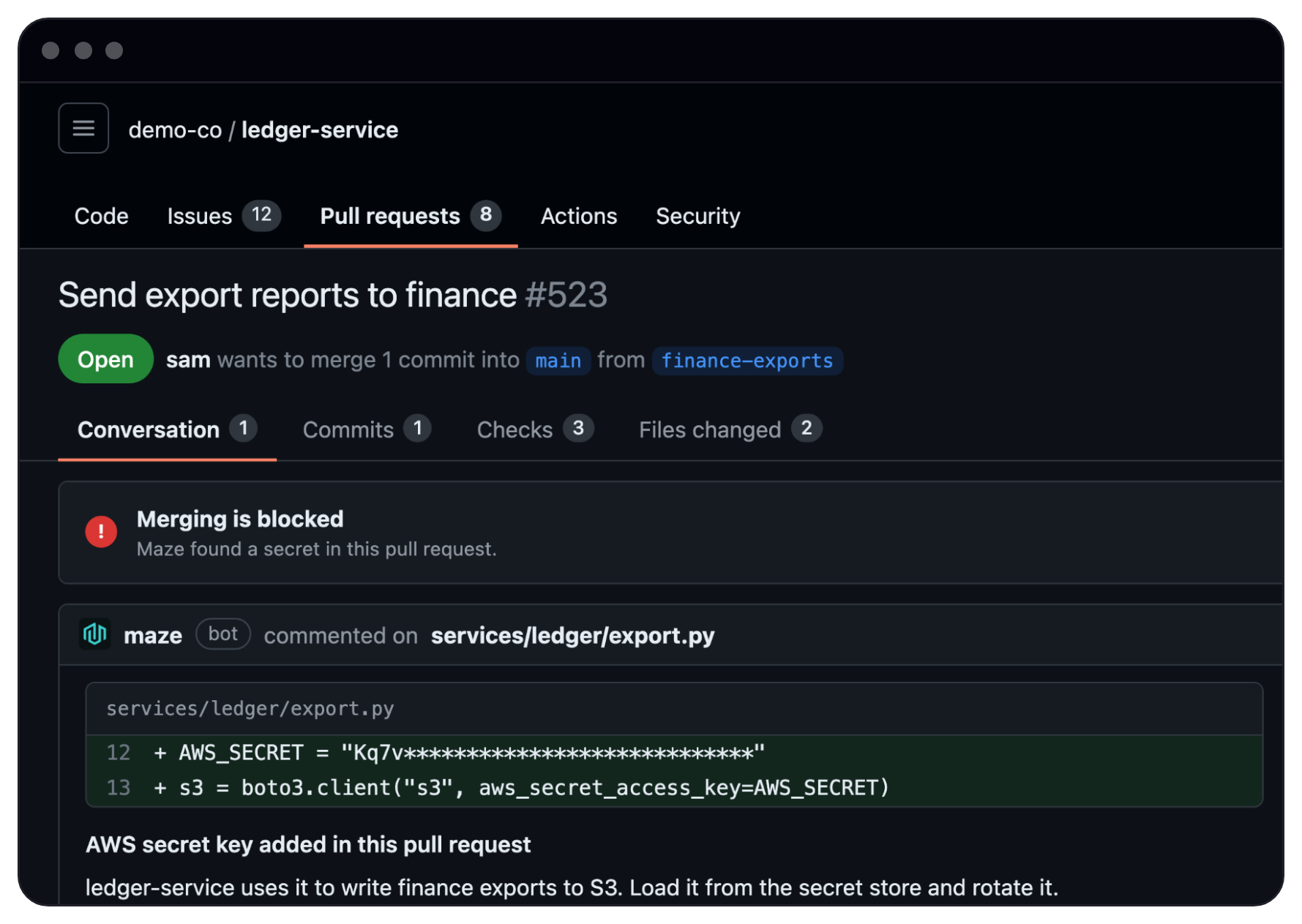
Maze’s agents scan your code, your full git history, and every pull request, so they find the key committed ten years ago and the one a coding agent left behind this morning.
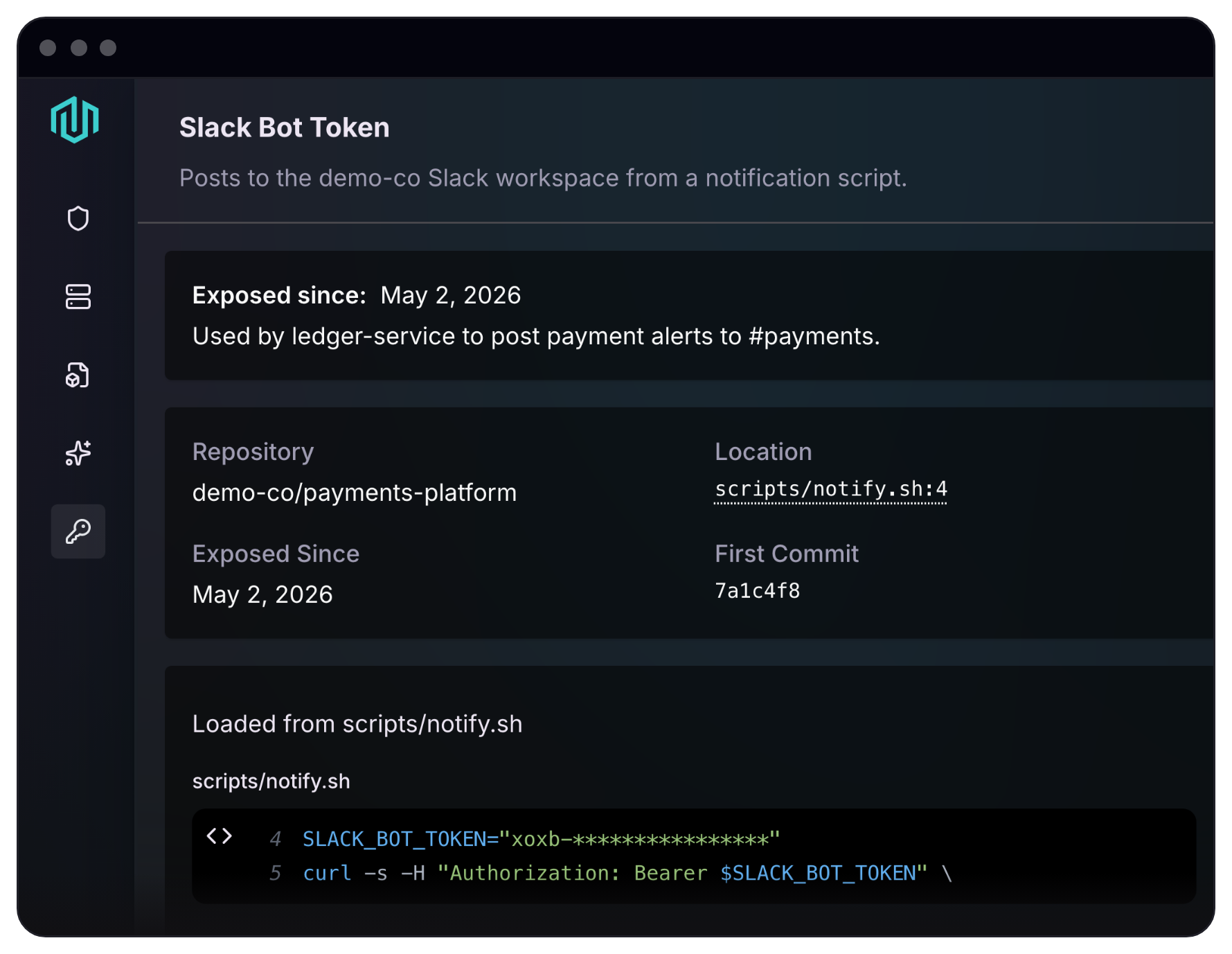
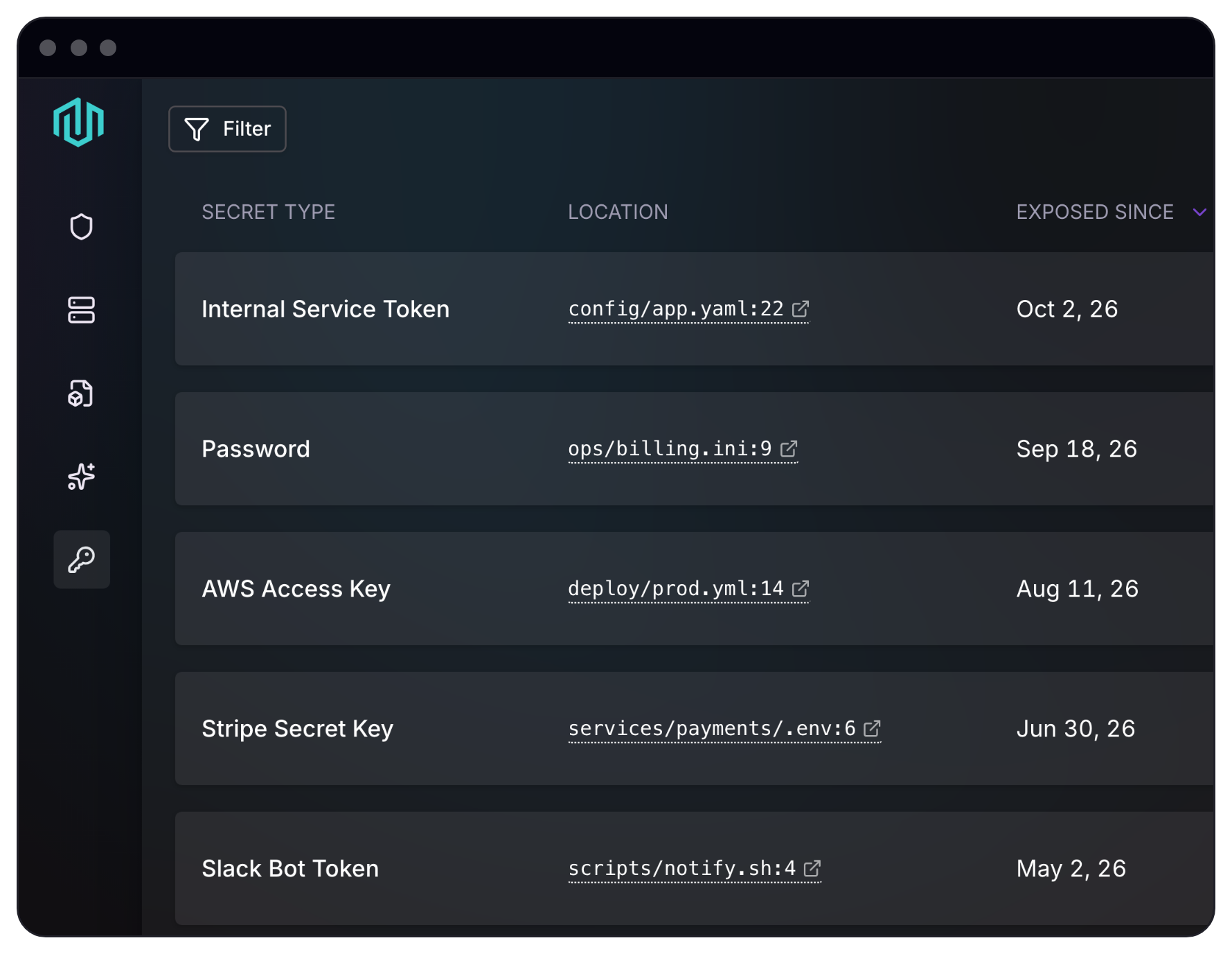
For every key, password, and token, agents identify what it is and how it’s used, along with exactly where it lives in your repository and how long it’s been exposed, so you can rotate it fast.
Talk to us about how Maze’s agents
find and triage secrets.
Maze scans your code, your git history, and every pull request for exposed credentials. Agents read the code around each one to tell real secrets from placeholders and test values, and identify what each key is for.
A regex scanner flags every string that matches a pattern, so test strings and placeholders bury the real secrets, and anything without a pattern gets missed. Maze’s agents read the code around each value, so they catch custom tokens and clear the noise.
Yes. Deleting a key from your code doesn’t remove it from your git history, so Maze scans the full history as well as every new pull request.
No. Secrets are part of Maze Code, alongside your dependencies, your code, licenses, and SBOMs.
Yes, Maze is cloud-hosted in AWS. Customers can choose between multi-tenant and single-tenant hosting.
Find, triage, and remediate CVEs in third-party code, using your existing scanner or ours.
Find and fix business-logic vulnerabilities that SAST misses, or triage results from your existing scanner.
Triage and remediate CVEs in containers and VMs, and catch zero-days before scanners see them.
Everyone uses AI now. What makes Maze different, and how is the platform built for AI agents?
Why we’re building Maze to be a security company that thinks differently.
Security research, blogs, video, and more from security leaders and the Maze team.