[Product]
A Fix Without an Owner Is Just a Suggestion

Summarize with AI


Summarize with AI
You found the vulnerability. You know it’s exploitable. You even know the fix. Maze’s agents got you there. But someone has to actually implement it, and before that happens, you need to figure out who.
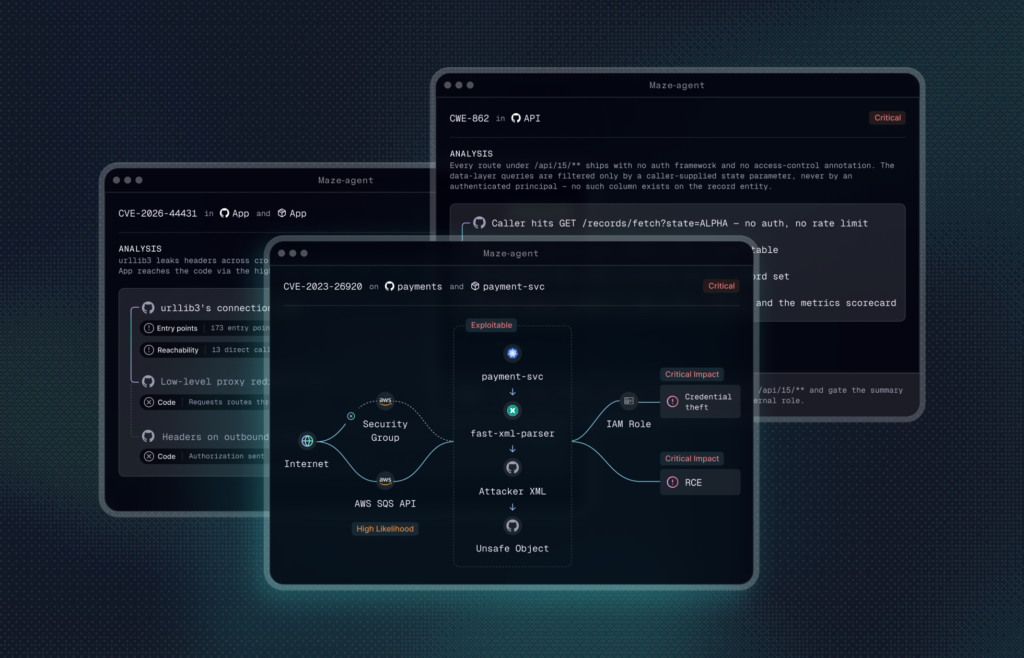
We’ve spent the last year building AI agents that handle the vulnerability lifecycle end to end. Your scanner finds the problem, and our agents investigate every vulnerability in your environment, determine what’s actually exploitable, and deliver fixes developers can use.
Triage and exploitability were the first two steps. We wanted to help customers focus on the truly risky vulnerabilities. But when it comes to remediation, fixing problems also means solving who owns the fix.
That’s the ownership problem. And it’s where a surprising amount of time disappears between “we know what to fix” and “someone starts fixing it.”
Ownership isn’t some impossible challenge nobody’s cracked. Plenty of organizations have solved it. Rigorous tagging discipline, well-maintained CMDBs, CODEOWNERS files, service catalogs. These all work.
The problem is that they require constant effort. The minute someone changes teams, goes on PTO, or gets reassigned, the data starts to drift. The CMDB was accurate six months ago. The cloud tags say “team-platform,” but that team was split into three groups in January.
Most organizations can’t keep up. Not because they don’t care, but because maintaining ownership data across a constantly shifting environment is a grind that never ends. You’re always one reorg away from starting over.
Ownership is a reasoning problem, not a rules problem. You can’t write enough rules to cover every reorg, every team split, every contractor rotation. You need to search across multiple systems, weigh conflicting signals, trace indirect connections, and make a judgment call. Doing that continuously, without the maintenance burden falling on your team, is exactly what AI agents are built for.
When we announced remediation, asset ownership was part of the vision. A fix without an owner is still just a suggestion, and we weren’t done with remediation until ownership was in the picture.
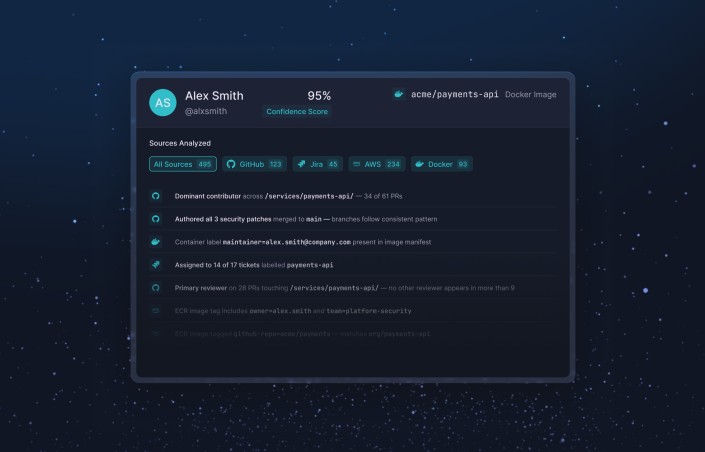
For every asset and vulnerability in your environment, Maze determines which team is responsible and which person on that team should own the fix. Not who the tags say. Not who last touched a Terraform file. The agents cross-reference multiple signals, weigh them against each other, and reason through conflicting or outdated information to find the right owner, right now.
If the obvious answer is outdated, they trace ownership through indirect signals. If a team was renamed, they find the evidence and surface the correct owner.
And we’re never a black box. Every assignment comes with the data sources and context that informed the agent, as well as its reasoning behind the decision.
Moving from finding to fixed is the lifecycle we’ve been building toward, now here.
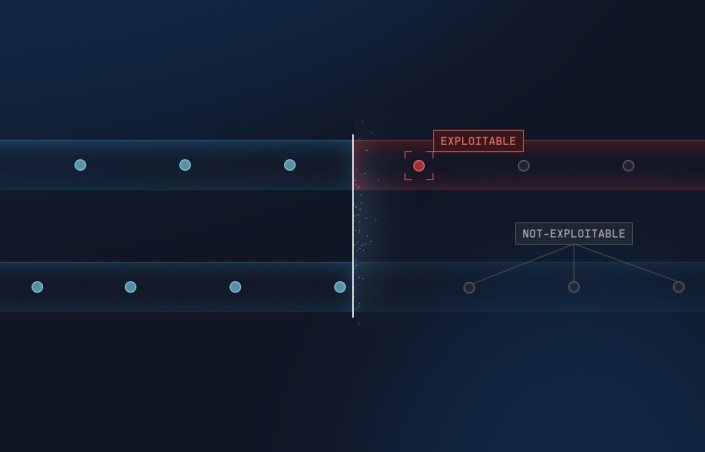
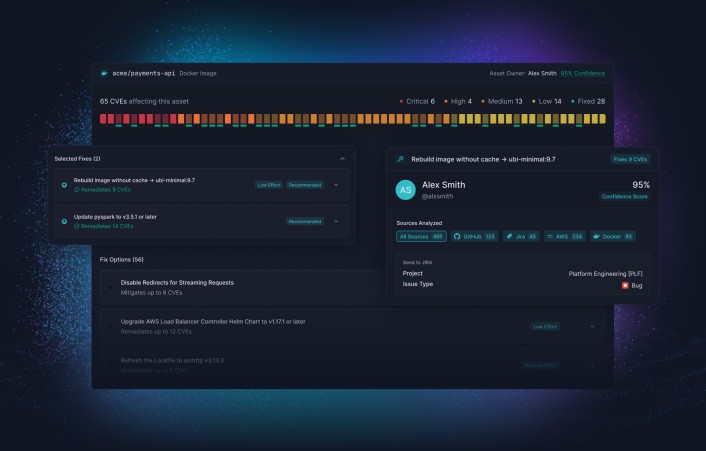
Maze investigates every vulnerability to determine what’s actually exploitable. For the ones that are, our remediation agents deliver fixes developers can use. And now, ownership agents identify exactly who should implement each fix and route it directly to them.
Right now, someone on your security team is trying to figure out who should own the 200 critical vulnerabilities, digging through Slack and chasing down names. With Maze’s ownership agents, the vulnerability has already been routed to the right person to fix it.
Now we’re moving from finding to fixing in less time.
Asset ownership is now available for customers. Talk to your Maze representative to get access.
[Company]
[Product]
[Product]